
Available 7 Days A Week - No Weekend Surcharge

General Plumbing

vlogs

NEED A PLUMBER? WE’RE IN YOUR TERRITORY!

  • Backflow Prevention Devices Protect the water source which supplies water to commercial and residential properties
  • These backflow prevention devices need to be installed on commercial and industrial properties and they need to be tested annually
  • A Licensed Plumber that has Backflow Certification needs to perform the test
  • Check out more of our VLOGs & don’t forget to like and subscribe to our YouTube channel!


Annual Backflow Prevention Device Inspection Due

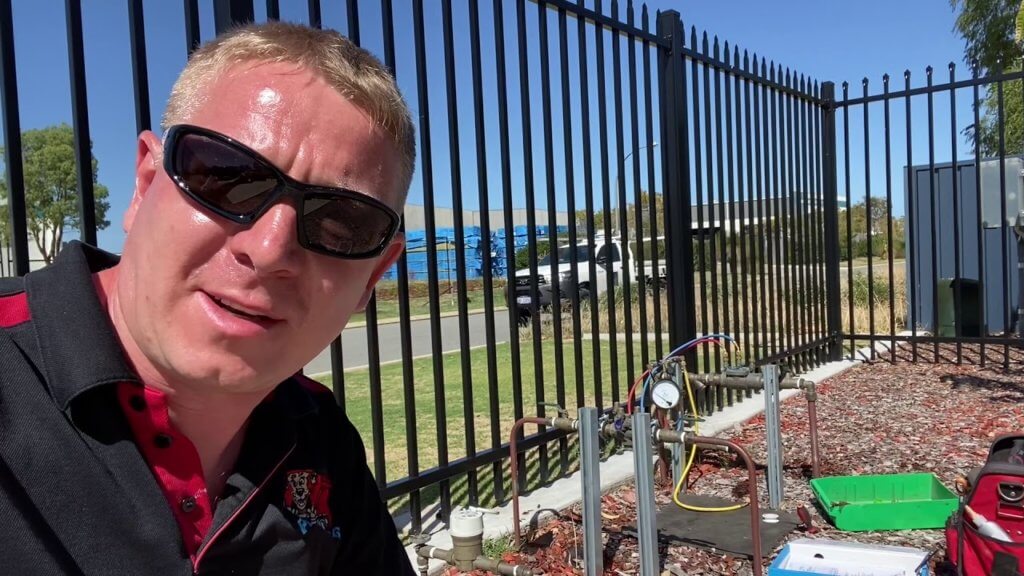
Our client is located in Rockingham, WA, far from the usual videos that we have on residential properties, we also look after commercial and industrial. Richard was called in to perform the annual test for this client’s backflow prevention devices. These apparatuses are required to be installed in such properties to make sure that there is a safe water supply for the end users.  Top dog Richard, apart from being a licensed plumber he also has Backflow Certification, so he is allowed to have these tests done for such establishments.

What is a Backflow prevention Device?

For those who are not familiar with this device, they are usually installed at the boundary of commercial properties as legally required.  What they do is they keep and protect the water supply that we use daily for bathing and drinking. For example, if in any case there’s an accidental chemical spill in the water source or pipe, the device’s job is stop them from being siphoned back into the main water supply keeping it safe from contamination.  Water Corp. requires an annual test for these devices to make sure they are in good working condition.  Same thing with Richard’s testing equipment that needs to be checked every year to make sure that it is always accurate in providing results.  All these certifications are crucial as they will be submitted when all tests are done.

It’s time to start Testing

The initial backflow prevention test that is done for the backflow prevention device is checking the pressure of the water, upstream and downstream. In the video Richard already attached the differential pressure gauge in the different points of the double check valve. He started with the upstream check and the gauge needle needs to be above 7 kPa(kilopascal) for it to pass. He will do the same type of checking with the RBZ valve (Reduced Pressure Zone). After all necessary tests are done for the devices, he will write up a report and submit it to Water Corp along with the required certificates.

It is particularly important and a requirement to have a licensed professional perform this test.  The purpose of the device being tested plays an important role in keeping the water supply of the community fresh, safe and clean all the time. Our crew are licensed and experienced experts who will always make sure we deliver fast and efficient service. We pride ourselves with high quality standard workmanship that complies with all the legal standards. We have all the gear and every idea. Give us a Whistle and We Will come!

We also pride ourselves in being maintenance plumbing specialists in not only general plumbing needs but are the ones that people turn to for:
  • Not all jobs are the same. Some jobs give us some interesting challenges that force us to get creative.
  • At Plumbdog, we look for solutions even when it’s not just about the pipes.
  • In this video, Darius uses a creative way to get the job done well while minimizing damage needed to the property.
  • See more of our VLOGs here


In this job, Darius had a pipe that has failed inside the cavity wall. This not only makes the job interesting, it also means potentially having to cut out a big hole in the wall to work with which would simply make the building look ugly.

While cutting out a big hole would be the easy option for any old plumber to work with, our Old Dogs have some great tricks and want the best outcomes for our loyal customers.

Check out the on the spot tool modification and how easy Darius makes it look. Not only is he working with such a small hole in the wall, he cuts through the pipe, welds it and wraps it up neatly before sealing it all back up.

Imagine if you had a plumber out who insisted on using the good old hacksaw, they would need much more space to get the job done leaving a huge and unsightly patch on the building.

This is just one of the many reasons why we truly believe Plumbdog is the best in the industry. We have all the gear and every idea!

Plumbdog are maintenance plumbing specialists and the experts for leak detection and repairs, blocked drains and hot water service and repairs.

Fixing a leaking tap is a job that just about every home handyman has tried, but there’s usually more to it than just replacing the washer. Servicing a standard tap and replacing the washer and O-Ring Whilst we recommend a leaking tap only be fixed by a qualified plumber (as incorrect servicing of a tap can cause irreversible damage to the tap body), it can in most cases be done by carefully following the steps below:

  1. Turn off the main water supply.
  2. Using an adjustable spanner, remove the tap cover, placing a cloth between tap and tool to prevent scratching.
  3. Use an open-ended spanner to unscrew the gland nut, and expose and remove the old washer.
  4. Use a re-seating tool to shave the tap seat back to a flat, shiny surface.
  5. Replace the O-ring on the spindle and apply grease.
  6. Flush away filing debris and insert spindle with the new tap washer.
  7. Reassemble the tap (taking care not to over-tighten the gland nut) and turn main water supply back on.

HANDY HINT

We always recommend you buy replacement tapware or fixtures from a recognised plumbing supplier, as their items will always be covered by warranty should any fault occur – unlike when you buy from a regular hardware store or chain.

Read more about how Plumbdog Perth can help you with your Leaking Taps or give us a call on 1300 884 146.

Reduce water usage
One of the simplest ways to save water is to use less just by changing a few habits. You can do this by reducing shower times (and don’t shave or brush your teeth in the shower!) and by flushing the toilet less often—the adage ‘if it’s yellow, let it mellow, if it’s brown, flush it down’ applies here—unless that’s too gross for you!Fix leaking toilets
Leaking toilets can waste a lot of water—up to 10 litres per hour or more. If you can visibly see water flowing into the bowl, or hear the cistern ‘hissing’ as water flows into it to replace what is leaking, then you should get it fixed immediately.

Fix dripping taps
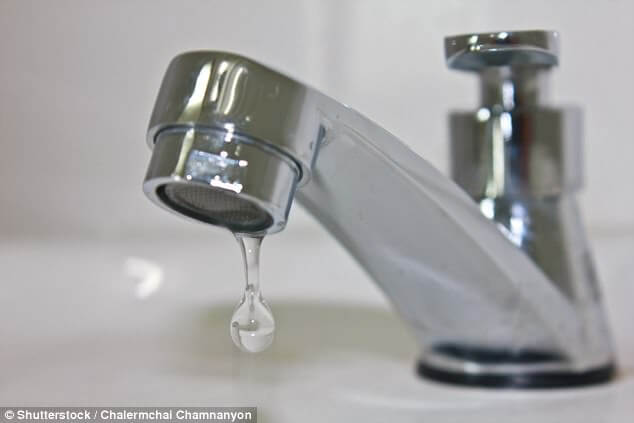
Like a leaking toilet, a dripping tap can waste a large amount of water—up to 10 litres a day or more for a fast drip. Having new tap washers installed is usually all that needs to be done to fix the problem,.

Convert your toilet to a reduced flush
Reducing the quantity of water flushed by your toilet is very easy, and can be as simple as filling a two-litre soft drink bottle with water and placing it inside the cistern. If you need to replace your toilet suite, then make sure you get an ultra-low flush toilet like the new 4.5/3 litre units that are now available.

Install a AAA rated shower head
There is a huge range of AAA (or better) rated shower heads available. A trip to your local hardware or home renovation store will provide many options, and some stores are even set up so that you can test the flows of the most popular models.

Install an Every Drop Shower Saver
This is installed between where the shower head connects to wall and allows you to instantly pause the water flow without turning your taps on and off.

Install flow restrictors
Flow restrictors fit either inside the tap or on the tap to reduce water flow. Sink swishers make much better use of the reduced water flow than a standard tap, allowing tasks like rinsing of dishes to be done more efficiently with less water, just like a water saving shower head.

Install a drip irrigation system
A drip irrigation system, especially a sub-surface one, can save a great deal of water in the garden compared to hand watering with a hose and spray gun. Drip systems allow you to get water directly to the plants’ roots with minimal evaporation, and they also allow you to use recycled water at lower risk of potential health issues.

Reuse your greywater
Whether you use the simple ‘bucket’ method to collect greywater, or have a complete greywater collection and reuse system installed, reusing this valuable resource can greatly reduce your water use.It makes very little sense allowing water that has only been used to rinse clothes in a washing machine (unless you are washing nappies), or rinse a human in the shower, to go straight into the sewer.

Buy efficient appliances
New appliances such as washing machines and dishwashers have water ratings labels on them that tell you how much water they use. If you have an appliance that needs replacing, then you should look for a machine that uses as little water and energy as possible.

Load More Vlogs
It seems we can't find what you're looking for.

Supply & Install Enquiry

Apply for a position form

Upload documents (CV and cover letter)

Contact Us