
Available 7 Days A Week - No Weekend Surcharge

Hot Water Services

vlogs

NEED A PLUMBER? WE’RE IN YOUR TERRITORY!

  • Common hot water problem – There’s low pressure from the hot water system and the water isn’t very hot. 
  • Common cause – The hot water system has been left there doing its thing for years without a major hot water service or any maintenance at all. 
  • Watch our local Perth Plumber, Top Dog Richard, at work on a property in Thornlie, Western Australia
  • Check out more of our VLOGs & don’t forget to like and subscribe to our YouTube channel!


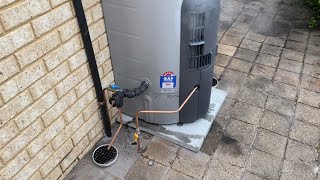
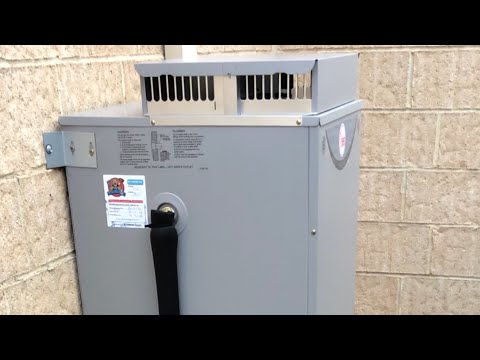
On the job today, our customer is facing trouble getting hot water with a steady flow. The hot water system is a Rheem Stellar 360 gas water heater, manufactured in 2012. There’s no service sticker on the heater, which means it most likely hasn’t been serviced at all since installation.

The Tempering Valve

In a hot water system, the tempering valve is responsible for delivering the perfect hot water to 50 degrees inside the house. The valve mixes the right portion of hot and cold water to strike the ideal balance and prevents the user from burning due to water overheating.

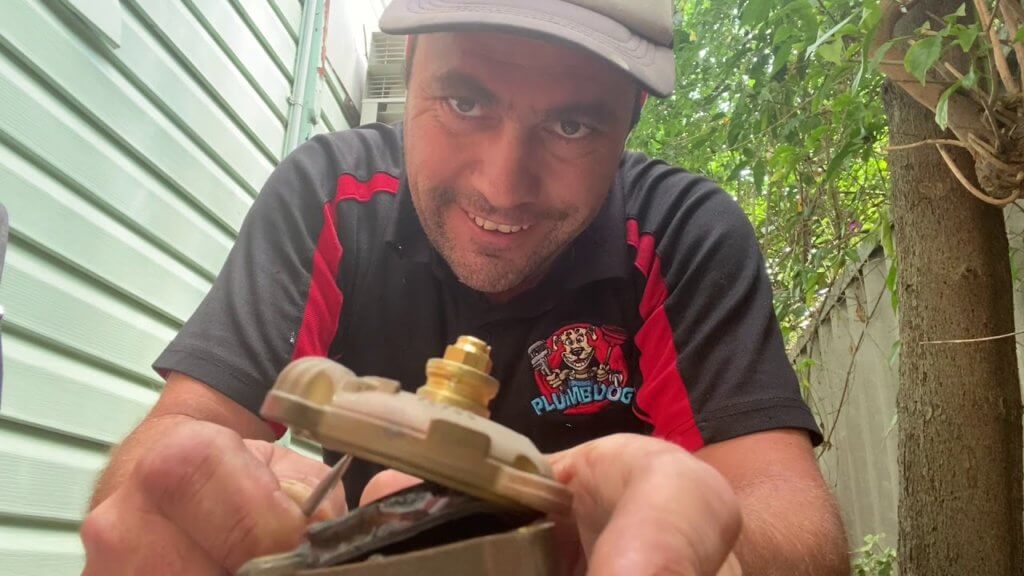
The tempering valve installed on this property is calcified, suggesting it has been worn out, which is an excellent sign as it has done a fair job all these years. But to maintain the smooth functioning of the hot water system, you ought to replace it once every five years.

Taking his thorough investigation forward, the next thing that Richard checks is the water isolation valve, which on turning on, makes a rumbling noise that implies the overdue of the tank’s major service. This sound is the sign of complete degradation of magnesium anodes, which also means that there is most likely sediment in the base of the tank.

Other Checks

Examining the water isolation valve, cold relief valve and hot relief valve, all else appears ok.

Our obedient Plumbdog goes inside and checks the water temperature using the thermometer, which reads 43 degrees, seven degrees below the desired temperature. The flow of the water, too, is not up to the mark.

Fixing the Hot Water Issue

The ideal way of addressing this issue from the root is by opening the water heater and replacing the degraded anodes with new ones. The replacement and service is a costlier option but recommended for longevity of the hot water system. Due to budget constraints on the costumer’s end, we have a fix that won’t dig a massive burn in the pocket but our customer is still aware of the consequences of not performing a major service.

Note: because this a quick fix, there’s a fair amount of possibility of residue being stuck inside the valve with the residue already sitting in the tank. This fix could last a long time or it could quickly get blocked up again.

Warning

The tempering valve does a great job at regulating water temperature and stops the residents from getting scalded. The water in the house may be very hot but it’s not hot enough to cause and harmful damage.

We always recommend hiring a professional to do the job. Not only are we qualified and experienced with the right tools for the job, we are also insured and are aware of the consequences to each part of the process.

If you are keen to try replacing the tempering valve on your own, be especially aware that the water directly from your tank is much hotter than the water that comes out of the tap in your home. It can cause severe burns and as you can see from the video, hot water can continue to flow from the tank depending which system you have.

Final Check

Richard goes back inside the house and checks if the water is adequately heated. On checking, the thermometer reads precisely 50 degrees, which is the desired result, and the flow of the water has improved considerably.

If you face a similar issue at your place and need a Plumber in Perth, then do not wait any longer and give us a whistle! Our Plumbdogs will fix your plumbing problems using the knowledge of their expertise. We pride ourselves in being genuine maintenance plumbing specialists. Not only do we have all the gear and every idea, our specialist services also include water leak detection and repairs and finding and fixing blocked drains.

  • Sacrificial Anodes serve an important purpose in a Hot Water System but most people don’t even know that they are there. 
  • Many leave their hot water system to run its course without consideration of any form of hot water system maintenance until problems arise. 
  • There are plumbers or handymen that replace anodes and that’s all they do. What they don’t do is flush out the tank. 
  • Watch the video and learn why it’s important to complete a tank flush when replacing sacrificial anodes in your hot water system. 
  • Check out more of our VLOGs & don’t forget to like and subscribe to our YouTube channel


Replacing Sacrificial Anodes – There’s more to it!

In today’s video, Top Dog Richard is on the mission to replace the anodes in a hot water system and shares with is what it’s all about. He also shows us and explains why simply replacing the anodes alone simply isn’t enough, especially if you haven’t performed any hot water system maintenance since you moved in or bought your hot water system.

What Are Sacrificial Anodes?

Sacrificial Anodes are anodes which are present in the hot water systems made of magnesium. Their purpose is to sacrifice themselves to the water’s impurity instead of preventing the tank from getting damaged. If you wish to prolong the tank’s life, you need to replace these anodes every 2-3 years periodically. When they break down, they settle at the bottom of the tank in the form of debris, and if left unchecked, they can harm the tank base’s quality.

The Video

In this video, Richard carries out Plumbdogs standard procedure of replacing the anodes of these tanks and also flushes out the debris settled at the bottom to demonstrate the proper method.

The Rheem Stellar hot water system has two magnesium anodes and Richard takes them to look at their condition. He shows us what new vs used anodes look like  and we can clearly see the difference. The old ones have entirely broken down, and there’s no magnesium left attached to their body.

Before installing the new pair of anodes, the first thing we need to do is flush out the tank. Check out the amount of residue that comes out. The entire floor is covered in a thick blanket of residue. The dust is present in both forms of sand and solid particle waste.

This tank is as much as seven years old, and seeing the amount of debris, one can predict that this is the first time it has been flushed out. The tank was in dire need of a good service and simply only replacing the anodes wouldn’t have guaranteed good functionality and prolonged life for the hot water system.

If a tank flush is not performed, the debris can potentially stick inside the filters, pipes and even the tempering valve which can cause problems outside of the hot water unit.

If you are facing issues of not getting adequate hot water at your place, then there’s a good chance that your hot water system needs a good service.

If you suspect you have a plumbing issue, give us a whistle!


What is involved in installing your new hot water system?

Hot water systems are made to last anywhere from 6-15 years. Over this time, safety regulations have changed in both the plumbing and gas worlds…

There are a lot more items we need to check to make sure installations are compliant.

Before

We were recently requested to replace this unit and in doing so we needed to bring this install up to standard.

For the new unit we needed to install a heat trap, a tempering valve, an expansion control valve, 2 drains and a soak pit under each drain. We also needed to add a gas shut off valve.

For some units, there will be even more that needs to be done, like the addition of a concrete slab under the unit…

Hot water system - non-compliant


After

This is what the pipework looks like after all the new standards have been applied to the new install.

Hot water system - compliant - left hand side


Hot water system - compliant - right hand side

N.B. These items are NOT included in a straight swap install.

Continue reading to find out what each one of these items does to protect your system and house…


Heat Traps & Lagging (insulation)

Heat traps are valves and or loops of pipe installed on the cold water inlet and hot water outlet pipes on hot water systems. They allow cold water to flow into the system, but prevent hot water from flowing out of the system back up the cold water pipes.

Lagging is insulation used to reduce heat loss and conserve the energy consumed. It is important that the heated water piping has adequate insulation to minimise heat loss.

Read the technical note from the Plumbers Licensing Board >> Heat Trap (And Insulation).pdf

heat trap diagram


Tempering Valves

tempering valveA tempering valve ensures your hot water is at a safe temperature for personal hygiene use. A tempering valve has a temperature sensitive element which adjusts the level of cold water depending on the temperature of the water from the hot water system.

Regulations on safe water services are Australia-wide and fall under the Plumbing Code of Australia (PCA). The water in a hot water storage system must be kept at a minimum of 60°C (AS3500.4.2 Clause 1.6) to prevent bacteria. The maximum temperature water can leave the tap is 50°C (AS3498) and a maximum of 45°C in institutions such as early childhood centres, schools, and nursing homes or other facilities where the young, sick, aged or disabled could be using hot water.

A tempering valve or other tempering device reduces your hot water temperature at the tap, to allow you to meet both Australian standards.

Tempering Valves should be replaced every 4 years.

Read the technical note from the Plumbers Licensing Board >> Tempering Valves.pdf


Expansion Control Valves

expansion control valveExpansion Control Valves limit the maximum pressure in a pressurised, unvented water heater system by relieving excess pressure to the drain line.

Expansion Control Valves should only be installed on the cold or inlet installation on a water heater as the valve is primarily intended to cope with the excess pressure generated during a normal heating cycle.

Expansion Control Valves are safety valves and should be replaced every 4 years.


temperature / pressure relief valve

Temperature/Pressure Relief Valves

Temperature & Pressure Relief Valves are safety controls which ensure that the temperature of the water in a pressurised unvented water heater cannot exceed 99° C in the event that the normal thermostatic controls fail.

These valves may be used to guard against overtemperature and over-pressure hazards wherever water is stored in unvented containers. This is a requirement of Australian Standard AS 3500-4.

Temperature & Pressure relief valves are safety valves and should be replaced every 4 years.


Gas Shut Off Valves (not shown above)

gas shut off valveAllows the manual isolation of the gas flow in natural gas and LPG systems. In the open position (gas is flowing) the handle (lever) will be parallel with the pipe, when it is closed (gas not flowing) the handle (lever) will be perpendicular to the pipe.

Read the Newsletter ‘Gas Focus’ for more details >> Gas Valve.pdf


Soak Pits

soak pitRequired so that the release of steam or hot water is controlled and does not cause a nuisance, is readily noticeable and will not cause damage to buildings or injury to persons.

Some units will require two pits to be installed and they should have gravel placed in the bottom. One pit for the Expansion Valve and one for the Temperature & Pressure Relief Valve.

Read the technical note from the Plumbers Licensing Board >>  Water Heater (SOAK PITS).pdf


Gas Pressure Tests

As replacing a hot water system involves touching the gas lines, a gas pressure test will need to be carried out to ensure that the system and pipework is gas-tight.


After your system has been replaced

Your hot water system should be serviced every two years to make sure it continues working efficiently.
Read our post about Anodes to learn more about how a storage hot water system works and how to keep it running smoothly. Read the blog post


If you have any questions, please feel free to give Plumbdog Perth a call – 1300 884 146.

Discover which Hot Water System is best for you

Are you looking to upgrade your current hot water system or are you renovating and not sure which system is best to buy for you home?

I am sure you have lots of questions running through your head, like what size of hot water heater do I need for my home? Or should I go for Gas or Electric, Solar or Heat pump? Which is the most efficient Hot Water System for my home?

Hot water systems account for a quarter of the average Australian household bill, given that this is one of the most expensive appliances to run in your home you want to ensure you buy the most efficient hot water heater your budget will allow.

Read on to see which Hot water system is best for your home!

Choosing an Energy Source

Solar or Heat Pump Technology – These types of HWS are usually more expensive and more complicated to install, however they are the most energy efficient and will pay for themselves in time with the low running costs.

Largely the climate you live in or the position of your home will determine which of these are suitable for your home.

Solar

The best situation for Solar is on a North facing roof.  A solar hot water system consists of solar panels and a storage tank for the hot water.  There are 2 types Thermosiphon Systems which has both the solar panel and storage tank together on the roof and Pumped or Split System which has the solar panel on the roof and the storage tank on the ground.

To give you a rough idea a 4-person home will need roughly 4msq of solar this roughly equates to 2 panels and if you look around your neighbourhood most solar hot water systems you will see will be 2 panels.

You would need to install a slightly larger tank than with Gas and Electric HWS to allow for more storage on days with less sunlight etc.  Most tanks come with a gas or electric booster in case you need it.

The solar panels can be flat or evacuated tubes, the evacuated tubes are more efficient and require less space however there would be a higher up front cost them.

Solar hot water systems on average can provide you with around 90% of your hot water with no running cost.

Heat Pump

Heat pump hot water systems are roughly 3 times more efficient than electric storage tank system, they work by removing the heat from the air and using it to heat the water in the storage system.

You can buy either and integrated system which is the compressor and the storage unit together or you can buy a split system which is the storage system and compressor separate.

Similar to an air conditioning unit the compressor needs to be installed outside as it can be quite noisy, it needs a well-ventilated area.

Heat Pump hot water systems tend to work better in warmer humid climates however as the technology advances new systems are being developed to work specifically in colder climates.

These are your 2 most energy efficient option however budget restrains may not make these achievable, we encourage you to consider the low running cost of these appliances and calculate a life time cost of the appliance before committing to a purchase.

Gas & Electric Hot Water Systems

Storage Hot Water Systems

A storage hot water system is the most common type found in homes across Australia and is usually the cheapest to buy.  Storage hot water systems work by heating the water in the tank and storing it there.

They can be placed either in laundries, cupboards, under the stairs or outside.

It’s recommended that you set your thermostat to 60 degrees every degree higher will cost you more on your water heating bill and may result in you scalding your hands when you turn on the tap.  Any lower and you could be at risk of creating Legionella in your water a nasty bacteria.

Storage hot water systems are available in gas or electric depending on what fuel is available in your area will depend on which is best for you.  If natural gas is not available in your area you can always op of LPG gas.

Gas is a more efficient method to heating your water than electric, not only is gas cheaper it also heats the water quicker than their electric counterpart.  The gas heat is instantaneous much like a gas cooktop where’s the electric storage system works similar to a kettle taking time to reach the desired temperature.

Storage hot water systems are a relatively easy installation, giving you immediate hot water from the tap and are generally low maintenance which is why these are the most popular type of hot water system Australia’s buy.

Continuous Flow Hot Water Systems

You might be considering buying a continuous flow hot water system, these units are small and mounted on a wall.  They don’t store water instead they heat the water as you need it.

They work by pushing cold water through copper piping, and applying heat directly to these pipes. When a hot tap is turned on, a flow sensor triggers a gas burner and starts heating the water. Whatever you have set the thermostat to is the temperature your water will be heated to.  Unlike their storage counterparts these guys won’t run out of hot water.

If you buy a continuous hot water system they won’t suffer from heat loss, run out of water and it is also more energy efficient than storage hot water heaters as you can set the desired temperature you require and only heat the water as you use it.

They can be mounted indoors or outdoors depending on the type you buy, always check you have the appropriate ventilation and flue requirements met.

What size tank do I need?

Making sure you have the right size system for your needs is imperative, too big a system and you’re wasting electricity and heating water unnecessarily to small and you’ll be over working your hot water system reducing its life span.

Below is a guide from our friends at Sustainable Energy Authority Victoria, 2002

Hot Water System Buying Guide


Requirements for natural gas and LPG hot water systems

Hot Water System Buying Guide


Requirements for solar hot water systems

Hot Water System Buying Guide


Requirements for continuous flow

The below assumes you are using the hot water outlets at the same time

Hot Water System Buying Guide


Contact Plumbdog Perth if you have any questions about your solar system – 1300 884 146

Download the HWS buying guide here

Load More Vlogs
It seems we can't find what you're looking for.

Supply & Install Enquiry

Apply for a position form

Upload documents (CV and cover letter)

Contact Us